
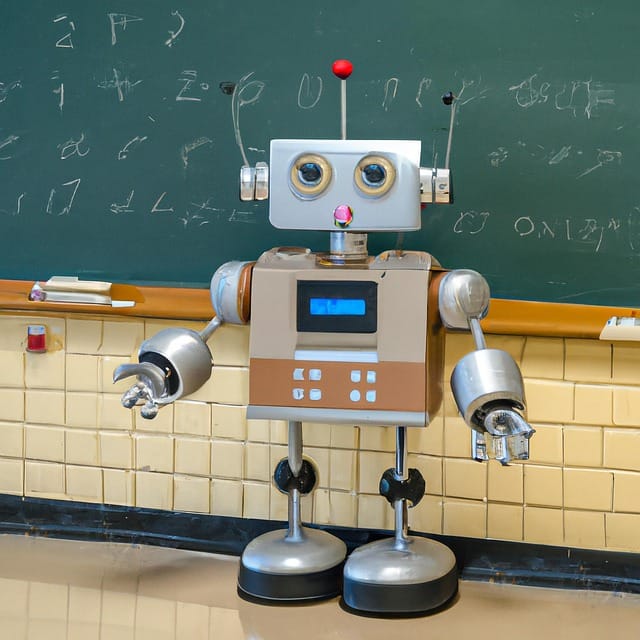
Revolutionizing Industries: The Impact of AI Technology
In recent years, the term “artificial intelligence” or AI has become a buzzword in various industries. From healthcare to finance, AI technology has been rapidly transforming the way businesses operate and has the potential to revolutionize entire industries. But what exactly is AI, and how is it changing the landscape of different sectors? In this article, we will delve into the impact of AI technology and explore how it is revolutionizing industries.
Understanding AI Technology
Before we dive into the impact of AI, it is essential to have a clear understanding of what this technology entails. AI refers to the simulation of human intelligence in machines that are programmed to think and act like humans. This includes tasks such as learning, problem-solving, and decision-making. AI systems use algorithms and data to analyze and make predictions, making them capable of performing complex tasks with speed and accuracy.
The Impact of AI in Healthcare
One industry that has seen a significant impact from AI technology is healthcare. The use of AI in healthcare has revolutionized the way medical professionals diagnose and treat diseases. With the help of AI-powered systems, doctors can analyze vast amounts of patient data and identify patterns that may not be visible to the human eye. This has led to more accurate and timely diagnoses, resulting in better treatment outcomes for patients.
Moreover, AI has also been instrumental in streamlining administrative tasks in healthcare facilities. AI-powered chatbots can handle patient inquiries, schedule appointments, and even provide basic medical advice. This not only saves time for healthcare professionals but also improves the overall patient experience.
Another area where AI technology has made a significant impact is in medical research and drug development. With the help of AI algorithms, scientists can analyze vast amounts of data and identify potential treatments for diseases. This has led to the development of new drugs and therapies that are more effective and efficient.
The Impact of AI in Finance
The finance industry has also seen a significant transformation due to AI technology. With the increasing amount of data in the financial sector, AI has become an invaluable tool for analyzing and making sense of this information. AI-powered systems can quickly analyze market trends, customer behavior, and other data points to make accurate predictions and inform investment decisions.
Moreover, AI has also made a significant impact in the world of trading. With the use of AI algorithms, trading can be done at lightning-fast speeds, reducing the risk of human error and maximizing profits. This has also led to the rise of robo-advisors, which use AI to provide personalized investment advice to clients.
In addition to these benefits, AI has also made financial transactions more secure. With the use of AI-powered fraud detection systems, banks and financial institutions can identify and prevent fraudulent activities in real-time. This has not only saved businesses and individuals from financial losses but has also increased trust in the financial system.
The Impact of AI in Manufacturing
The manufacturing industry has also seen a significant impact from AI technology. With the use of AI-powered systems, manufacturers can optimize production processes, reduce costs, and improve product quality. AI algorithms can analyze data from sensors and machines to identify patterns and predict potential equipment failures, allowing for proactive maintenance and reducing downtime.
Moreover, AI has also made its way into the production line itself. With the use of robots and automation, AI technology has made manufacturing processes more efficient and precise. This has led to an increase in productivity and a decrease in human error, resulting in higher-quality products.
Furthermore, AI has also enabled the development of smart factories, where machines and systems are connected and communicate with each other. This allows for real-time monitoring and control of production processes, leading to increased efficiency and reduced waste.
The Future of AI Technology
The impact of AI technology on different industries is undeniable, and its potential for further growth and development is limitless. As AI continues to evolve and become more advanced, we can expect to see even more significant changes in various sectors. From self-driving cars to virtual assistants, AI technology is already a part of our daily lives, and it will only continue to expand its presence in the future.
However, with these advancements come concerns about the ethical and social implications of AI. As AI becomes more prevalent, it is crucial to address issues such as data privacy, bias, and job displacement. It is essential to have regulations in place to ensure that AI is used for the betterment of society and does not cause harm.
In conclusion, AI technology has revolutionized industries in ways we never thought possible. From healthcare to finance to manufacturing, AI has made a significant impact, improving processes, and driving innovation. As we continue to embrace this technology, it is crucial to use it responsibly and ensure that it benefits society as a whole. The future of AI is bright, and we can only imagine the possibilities it holds for the world.
